New Bankado Processing E-Wallet

Processing & E - Wallet
You Can Rely On

Deposit and Withdraw Crypto or Fiat Currency instantly.
Swap Fiat for Crypto on the fly and Withdraw To Your
Bank Account!

BUY AND SELL BITCOIN

Personal E-Wallet. Deposit funds with with DEBIT | CREDIT | PAYPAL and exchange fiat for crypto

Powerful Admin

Lorem ipsum dolor sit amet, conse ctetur adipisicing elit, sed do eiusm lod tempor incididunt.

Powerful Admin

Lorem ipsum dolor sit amet, conse ctetur adipisicing elit, sed do eiusm lod tempor incididunt

BITCOIN Some unique features and awesome experience

There are many variations of passages of Lorem Ipsum available, but the majority have suffered alteration in some form, by injected humour, or randomised words which don't look even slightly believable.

  • One
  • Two
  • Three

Some unique features and awesome experience

Easy tBITCOINo manage

BITCOIN variations of passages of Lorem Ipsum available, but the majority have suffered alteration.

A complete featureBITCOIN

Slightly variations of passages available the majority have suffered alteration even slightly believable.BITCOIN

Build a better software with MyBitcoin Apps and
the eway Wallet UI

bitcoin Simplifies Saas data warehouse Bitcoin

Mike Santos

MyBitcoin Apps and Wallet

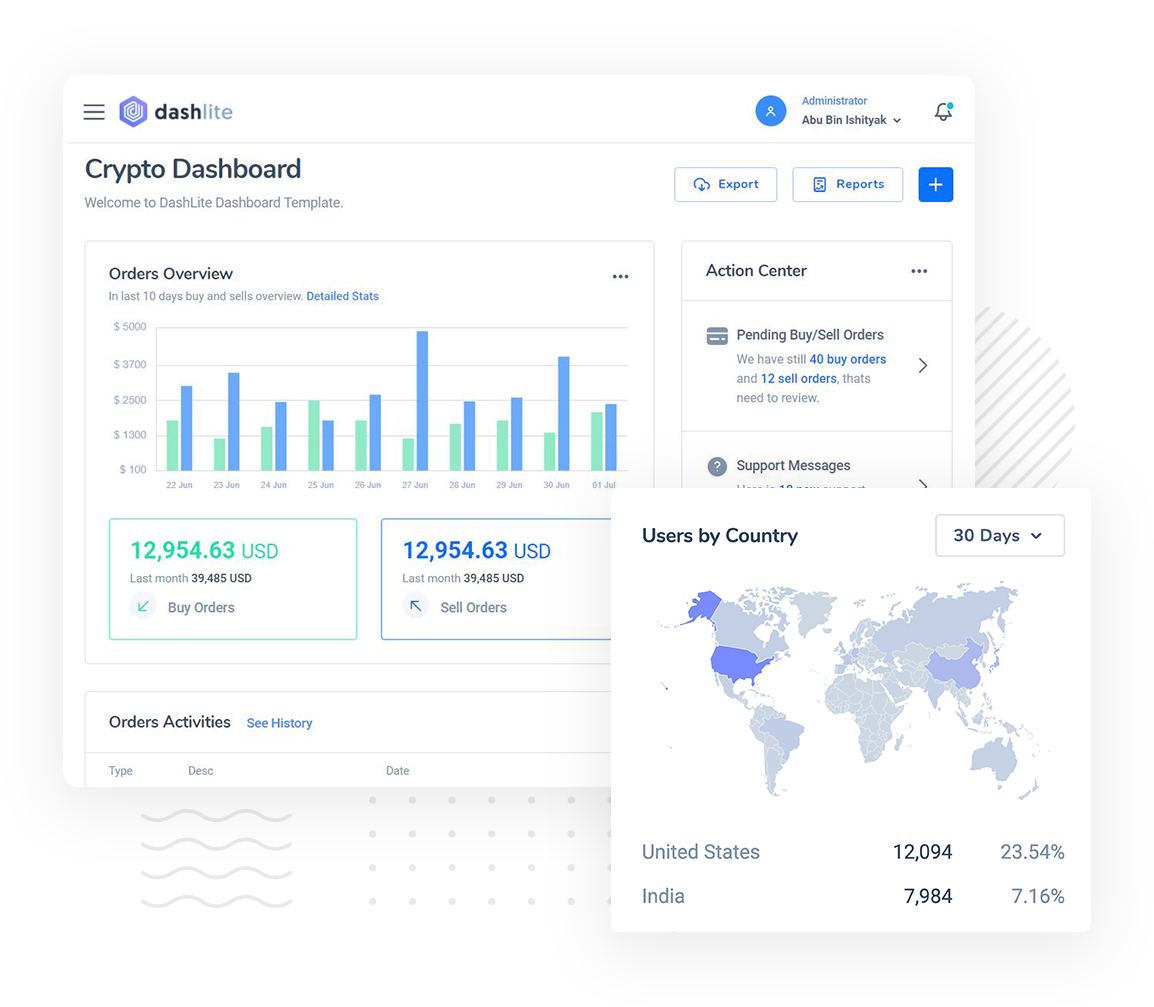
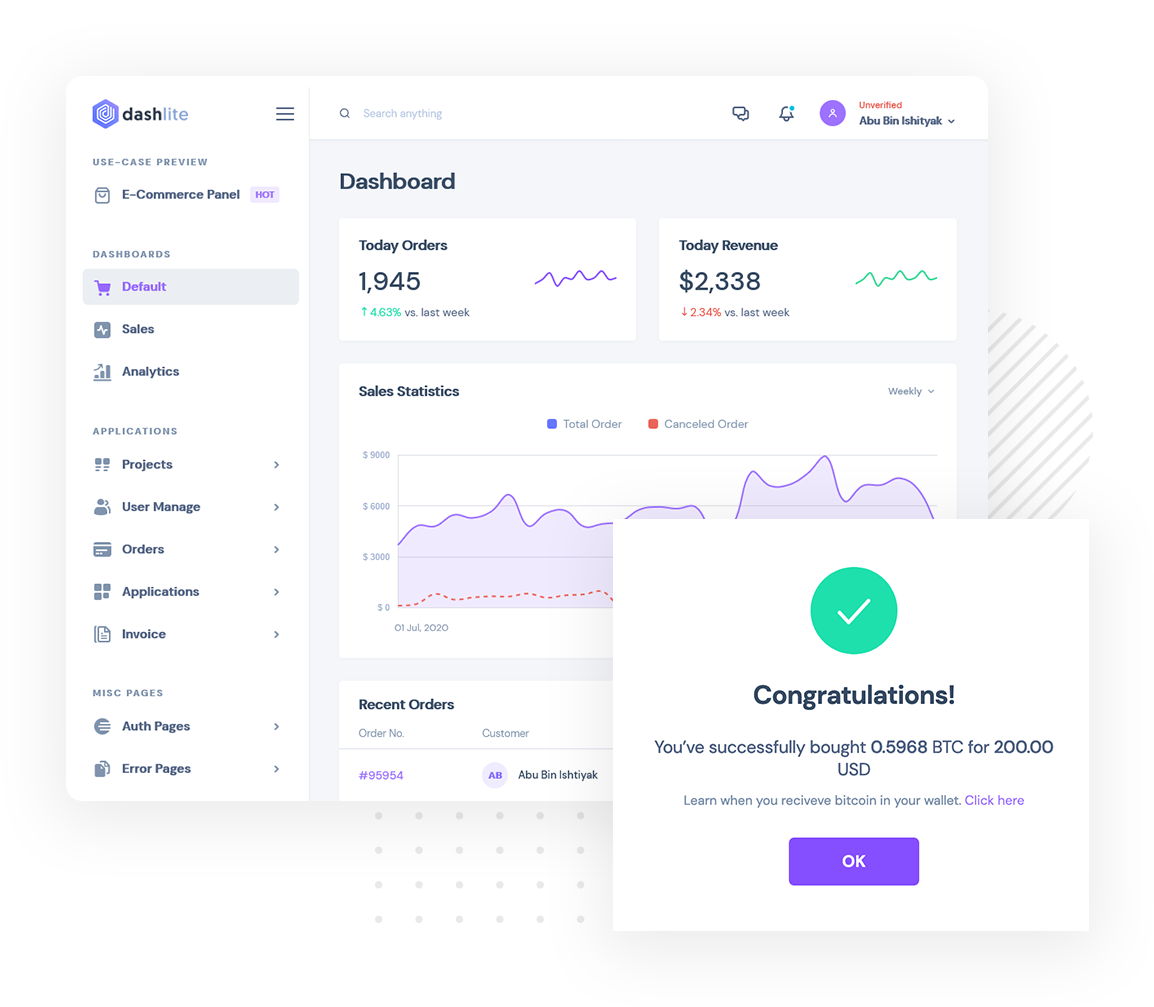
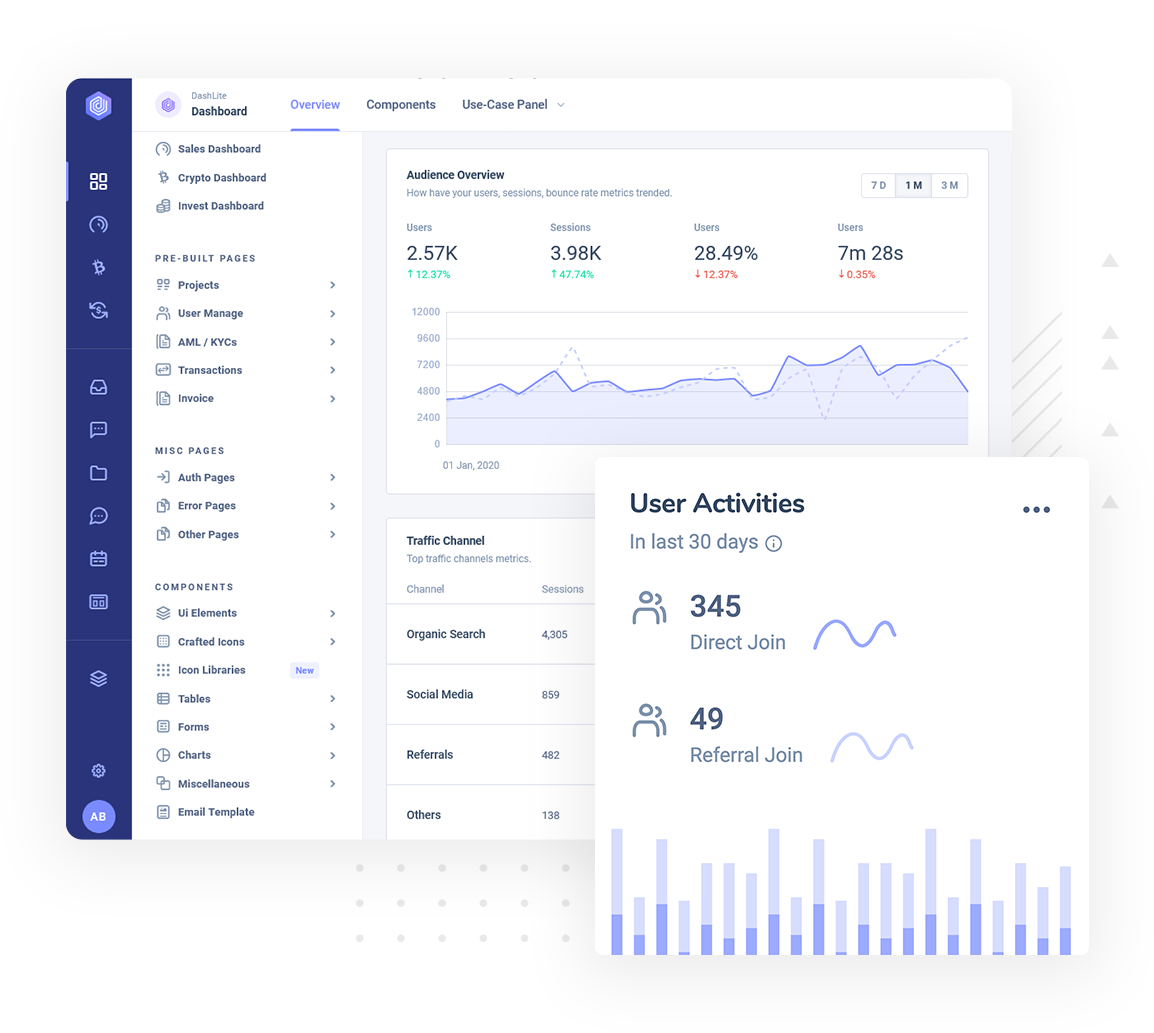
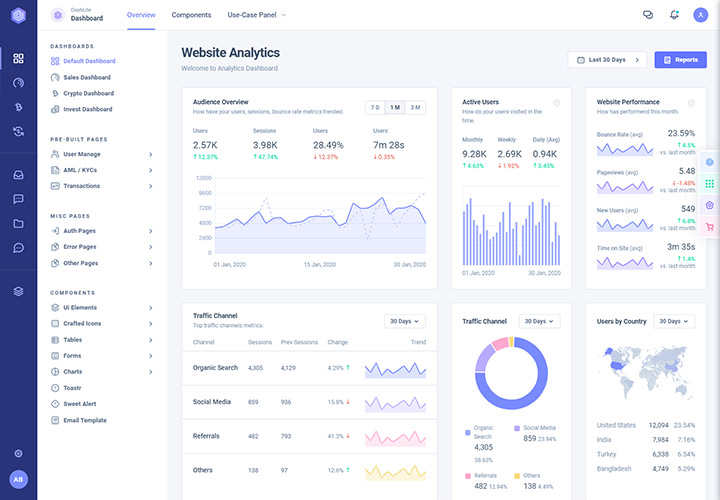
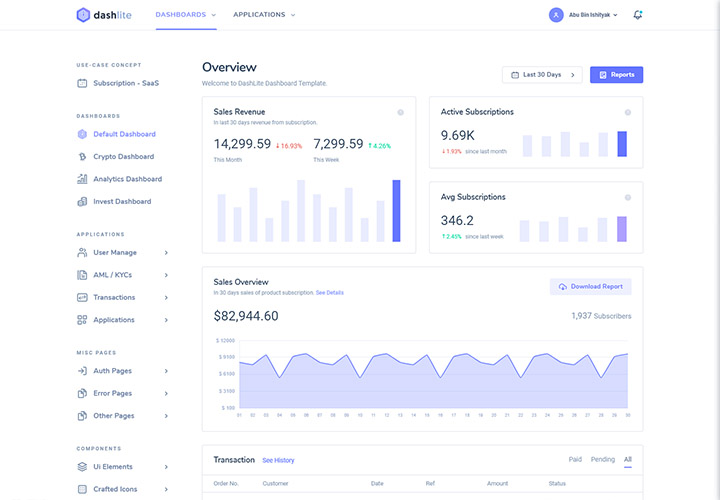
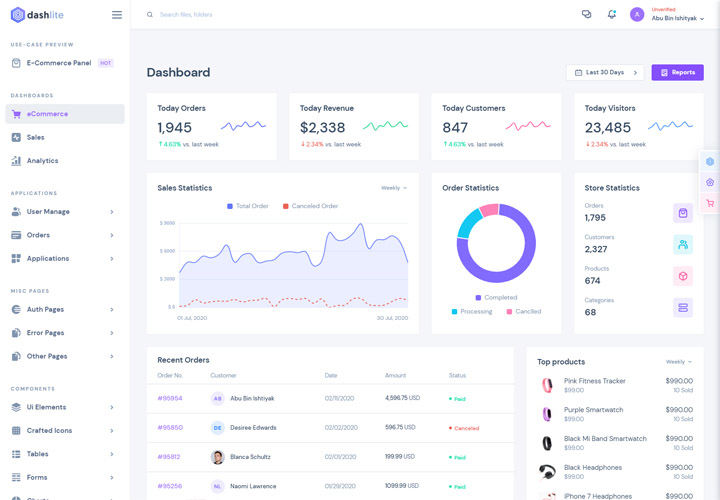
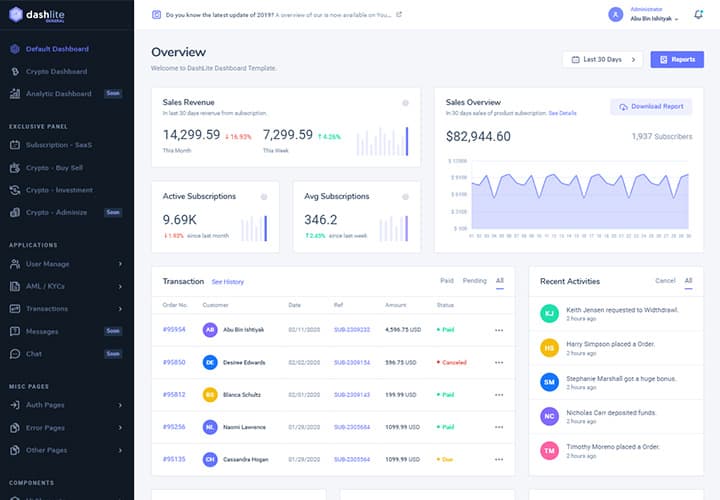
An overview of DashLite – is fully clean and premium designed admin template.BITCOIN

23 +
Bitcoin
Ethereum
11 +
Eye-Catching
Love Crypto
77 +
Crypto Currency
Bitcoin Wallet

Conceptual Apps & Premium Theme

An overview of DashLite – is fully clean and premium designed admin template which included beautiful hand-crafted components & elements. Take advantage of 66 Front-end & Back-end Premium Products and save up to 90% OFF

Get To Know Bitcoin!

In this wonderful world of crypto begin here to learn more

What is Bitcoin?

Bitcoin was created by Satoshi Nakamoto, a pseudonymous person or team who outlined the technology in a 2008 white paper. It’s an appealingly simple concept: bitcoin is digital money that allows for secure peer-to-peer transactions on the internet. Unlike services like Venmo and PayPal, which rely on the traditional financial system for permission to transfer money and on existing debit/credit accounts, bitcoin is decentralized: any two people, anywhere in the world, can send bitcoin to each other without the involvement of a bank, government, or other institution. Every transaction involving Bitcoin is tracked on the blockchain, which is similar to a bank’s ledger, or log of customers’ funds going in and out of the bank. In simple terms, it’s a record of every transaction ever made using bitcoin. Unlike a bank’s ledger, the Bitcoin blockchain is distributed across the entire network. No company, country, or third party is in control of it; and anyone can become part of that network. There will only ever be 21 million bitcoin. This is digital money that cannot be inflated or manipulated in any way. It isn’t necessary to buy an entire bitcoin: you can buy just a fraction of one if that’s all you want or need. Key Questions What is BTC? BTC is the abbreviation for bitcoin. Is Bitcoin cryptocurrency? Yes, bitcoin is the first widely adopted cryptocurrency, which is just another way of saying digital money. Is there a simple bitcoin definition? Bitcoin is digital money that allows secure and seamless peer-to-peer transactions on the internet. What's the price of bitcoin? The current price of Bitcoin can be found on Coinbase's website. Is Bitcoin an investment opportunity? Like any other asset, you can make money by buying BTC low and selling high, or lose money in the inverse scenario. At what price did Bitcoin start? One BTC was valued at a fraction of a U.S. penny in early 2010. During the first quarter of 2011, it exceeded a dollar. In late 2017, its value skyrocketed, topping out at close to $20,000. You can track the price of bitcoin here.

To really grasp how bitcoin works, it helps to start at the beginning. The question of who created bitcoin is a fascinating one, because a decade after inventing the technology—and despite a lot of digging by journalists and members of the crypto community—its creator remains anonymous. The principles behind Bitcoin first appeared in a white paper published online in late 2008 by a person or group going by the name Satoshi Nakamoto. This paper wasn’t the first idea for digital money drawing on the fields of cryptography and computer science—in fact, the paper referred to earlier concepts—but it was a uniquely elegant solution to the problem of establishing trust between different online entities, where people may be hidden (like bitcoin’s own creator) by pseudonyms, or physically located on the other side of the planet. Nakamoto devised a pair of intertwined concepts: the bitcoin private key and the blockchain ledger. When you hold bitcoin, you control it through a private key—a string of randomized numbers and letters that unlocks a virtual vault containing your purchase. Each private key is tracked on the virtual ledger called the blockchain. When Bitcoin first appeared, it marked a major advance in computer science, because it solved a fundamental problem of commerce on the internet: how do you transfer value between two people without a trusted intermediary (like a bank) in the middle? By solving that problem, the invention of bitcoin has wide-ranging ramifications: As a currency designed for the internet, it allows for financial transactions that range across borders and around the globe without the involvement of banks, credit-card companies, lenders, or even governments. When any two people—wherever they might live—can send payments to each other without encountering those gatekeepers, it creates the potential for an open financial system that is more efficient, more free, and more innovative. That, in a nutshell, is bitcoin explained.

Unlike credit card networks like Visa and payment processors like Paypal, bitcoin is not owned by an individual or company. Bitcoin is the world’s first completely open payment network which anyone with an internet connection can participate in. Bitcoin was designed to be used on the internet, and doesn’t depend on banks or private companies to process transactions. One of the most important elements of Bitcoin is the blockchain, which tracks who owns what, similar to how a bank tracks assets. What sets the Bitcoin blockchain apart from a bank's ledger is that it is decentralized, meaning anyone can view it and no single entity controls it. Here are some details about how it all works: Specialized computers known as ‘mining rigs’ perform the equations required to verify and record a new transaction. In the early days, a typical desktop PC was powerful enough to participate, which allowed pretty much anyone who was curious to try their hand at mining. These days the computers required are massive, specialized, and often owned by businesses or large numbers of individuals pooling their resources. (In October 2019, it required 12 trillion times more computing power to mine one bitcoin than it did when Nakamoto mined the first blocks in January 2009.) The miners’ collective computing power is used to ensure the accuracy of the ever-growing ledger. Bitcoin is inextricably tied to the blockchain; each new bitcoin is recorded on it, as is each subsequent transaction with all existing coins. How does the network motivate miners to participate in the constant, essential work of maintaining the blockchain—verifying transactions? The Bitcoin network holds a continuous lottery in which all the mining rigs around the world race to be the first to solve a math problem. Every 10 min or so, a winner is found, and the winner updates the Bitcoin ledger with new valid transactions. The prize changes over time, but as of early 2020, each winner of this raffle was awarded 12.5 bitcoin. At the beginning, a bitcoin was technically worthless. As of the end of 2019, it was trading at around $7,500. As bitcoin’s value has risen, its easy divisibility (the ability to buy a small fraction of one bitcoin) has become a key attribute. One bitcoin is currently divisible to eight decimal places (100 millionths of one bitcoin); the bitcoin community refers to the smallest unit as a ‘Satoshi.’ Nakamoto set the network up so that the number of bitcoin will never exceed 21 million, ensuring scarcity. There are currently around 3 million bitcoin still available to be mined, which will happen more and more slowly. The last blocks will theoretically be mined in 2140. Cryptocurrencies and traditional currencies share some traits — like how you can use them to buy things or how you can transfer them electronically — but they’re also different in interesting ways. Here are a few highlights.


Essentially the same way a traditional currency does – because it’s proven itself to be a viable and convenient way to store value, which means it can easily be traded for goods, services, or other assets. It’s scarce, secure, portable (compared to, say, gold), and easily divisible, allowing transactions of all sizes.

All bitcoin transactions and public keys are recorded on a virtual ledger called the blockchain. The ledger is effectively a chronological list of transactions. This ledger is copied—exactly—across every computer that is connected to the bitcoin network, and it is constantly checked and secured using a vast amount of computing power across the globe. The blockchain concept has turned out to be powerful and adaptable, and there are now a wide variety of non-cryptocurrency-related blockchains that are used for things like supply-chain management. The ‘Bitcoin Blockchain’ specifically refers to the virtual ledger that records bitcoin transactions and private keys.

Single User

  • Meta Description Optimization
  • Baseline Ranking Report
  • Online 24/7 support
  • Free Simple Website
  • + All future update releases for Free

Do you have any other Questions?